


7 Day
Testing YesBar Experience Approaches
| STUDY TITLE | Testing YesBar Experience Approaches |
|---|---|
| Submitted under umbrella | |
| Date submitted |
Apr 18, 2025 |
| End date |
There is no pre-specified end date and sub-studies remain open long-term. |
| Language |
English |
| Efforia AI IRB approval recommendation | |
| Recruitment page preview | |
| Author edit | |
| Informed consent | |
| Study author |
Advanced Reviewer, Matthew Amsden, Reviewer User, Zeeshan Web, Ilya Pantsyr, Matthew Amsden |
| Principal investigator |
Matthew Amsden |
| Sub-Investigator for Adverse Events |
Dr. Viral Patel |
| Description |
This study looks at two different approaches to get a couple of data collection points for Yesbar. The study is designed for internal use only, and is not IRB approved. Approach 1 is a single data entry form, which is what I originally thought about. Approach two seperates the item into two compoents |
| Participant engagement length |
7 Days |
| Sponsor |
This study is made possible by your payment to cover all supplies and expenses required to participate. |
| Cost to participant |
$0 |
| Included products & services |
Six Week Bootcamp: $200
Cream Sofa: $500
Fitness Jump Rope: $15
Magic Spoon Cereal Variety 6 Pack: $36
Gift Card – Test: $50
|
| Outcome measures |
Timed Blood Glucose Monitoring for a Specific Food Timed Blood Glucose Baseline Questions After Food Glucose Follow Up |
| Methodology |
Single Arm longitudinal where participants act as their own control |
| Basic or advanced dissemination plan |
Basic |
| Deviation from recruitment approach |
No |
| Deviation from statistical approach |
No |
| Will study include “more about you questions” |
No |
| Clinicaltrials.Gov |
Yes |
| Committment to list findings on clinicaltrials.Gov |
Yes |

 Preview
 This document is prepared with the assistance of AI, but is reviewed by a human.
Rational & Study Design
The Intervention
Included Products & Services
Product Name: Six Week Bootcamp
Quantity included: 6
Price: $200.00
Product Description: ZXcZxcZxc
Product Image:
Ingredients:
Product Safety:
Product Name: Cream Sofa
Quantity included: 15
Price: $500.00
Product Description: Comfortable cream sofa with wooden base
Product Image:

Ingredients:
Product Safety:
Product Name: Fitness Jump Rope
Quantity included: 100
Price: $15.00
Product Description: The VitaHustle Jump Rope comes with a precision machined aluminum handle and an adjustable 10ft 2.38mm diameter PVC coated cable. The handles are made of high-grade aluminum alloy with 4 hi-precision cartridge ball bearings per rope. The tapered handles allow for easy grip. This is truly one of the fastest speed ropes you can buy. Specs Machined High Grade Aluminum Handles High Speed Bearings 2.38mm 10ft. PVC coated Speed Cable Adjustable length
Product Image:

Ingredients:
Product Safety:
Product Name: Magic Spoon Cereal Variety 6 Pack
Quantity included: 5
Price: $36.00
Product Description: Magic Spoon cereal is a high-protein, low-carb, grain-free, keto-friendly cereal that contains no added sugar. It is made with a milk protein blend, tapioca starch, chicory root fiber, and natural flavors. It also contains allulose, a type of "sugar" that is used instead of regular sugar. Magic Spoon cereal contains 13-14g of protein per serving, which is 10 times more than other popular cereal brands. It also contains 4 grams of net carbs and 0
Product Image:
Ingredients:
Product Safety:
Product Name: Gift Card – Test
Quantity included: 1
Price: $50.00
Product Description: This is a gift card for the store
Product Image:

Ingredients:
Product Safety:
Study Design & Methodology
Inappropriate Participants & Inclusion/Exclusion
Under the Efforia minimal risk protocol, within which this study is reviewed for safety and human subjects ethics, all individuals over the age of consent are eligible, however, it is the responsibility of participants to determine if their unique circumstances make participation inappropriate.
Based on the risk assessment and safety profile provided, along with the intervention description for the YesBar Experience Approaches, the following table identifies the kinds of individuals who should avoid being part of this trial, or at least seriously consider whether participation is appropriate for them.
| Category of Individual | Contraindications | Reason |
|---|---|---|
| Individuals with severe allergies | Exposure to adhesive materials or products | Risk of severe allergic reactions, including hospitalization |
| Individuals with sensitive skin | Use of CGM adhesive | Potential for severe skin reactions, including permanent scarring |
| Individuals with musculoskeletal issues | Participation in Bootcamp exercises | Risk of disability from injuries sustained during physical activities |
| Individuals relying on glucose monitors | Use of Lingo CGM | Incorrect readings may lead to inappropriate management of glucose |
| Individuals with psychological conditions | Dependence on structured programs | Risk of psychological reliance on technology or structured programs |
| Competitive athletes | Use of Lingo CGM during competitions | Possible non-compliance with sports authority regulations |
| Employees with workplace restrictions | Use of health monitoring devices | Potential conflict with workplace policies regarding device use |
This table is a guideline for individuals considering participation in the trial and is not exhaustive. Participants should consult with their healthcare providers to ensure their specific health conditions and circumstances are considered.
Study Design & Experience
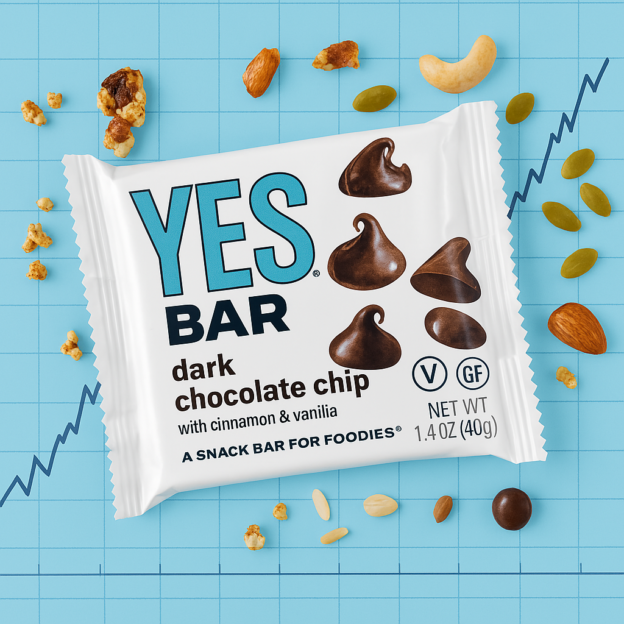
Eat a Yesbar and record status.
Assesments and frequency:Two Hour Follow-up.
Methodology:The study titled "Testing YesBar Experience Approaches" is an exploratory investigation designed to evaluate two distinct methodologies for data collection concerning YesBar consumption. As a single-arm observational trial, this study allows participants to serve as their own control, which is an efficient method to gather initial insights without the complexities of a control group. At Efforia, such studies are termed "Signal Phase" studies, as they aid in providing directional indications of the intervention's effectiveness—in this case, the YesBar. This approach is particularly useful for obtaining preliminary data that can suggest potential positive outcomes, which can then be further explored through more extensive and controlled trials.
In terms of study description, the trial explores two approaches for data collection. The first approach involves a singular data entry form, originally conceived as the straightforward method for gathering data. The second approach dissects the information into two distinct components, potentially providing a more nuanced understanding of the data points. This study is intended for internal purposes, and it has not sought Institutional Review Board (IRB) approval, underscoring its preliminary nature. The findings from this Signal Phase trial are crucial, as they will not only indicate the effectiveness of the YesBar but also furnish much-needed safety data, which currently remains limited.
Participants in this study will follow a structured experience that includes specific tasks and follow-up activities. The study experience involves a "Two Hour Follow-up," which likely serves as a critical time point for assessing the immediate effects and participant feedback. Participants are instructed to "Eat a Yesbar and Record Status," thus engaging directly with the product and providing real-time data on their experiences. This hands-on interaction, along with the structured follow-up, is designed to yield actionable insights into the YesBar's impact. Should the results suggest a positive signal, indicating that the YesBar is effective, the study would lay the groundwork for considering more robust and comprehensive study designs in the future. For further information on this study's methodology, the "Minimal Risk Umbrella protocol" provides more detailed insights.
Expected sample size:To determine the minimum sample size required for detecting a statistically significant effect in the Efforia's sub-studies, we need to conduct a power analysis considering the assumptions and constraints provided. Here is how we can approach this:
Sample Size Calculations
Minimum Sample Size Estimate (No Stratification)
For the unstratified analysis, we will use the paired t-test as it's a single-arm observational trial. The assumptions are:
- Effect Size (Cohen's d): 0.1
- Significance Level (α): 0.05 and robustness check at 0.10
- Power (1 - β): 0.80
- Dropout Rate: 60%
Using these parameters, the initial sample size before accounting for dropout can be calculated with standard power analysis formulas for a paired t-test. Given the small effect size, the initial sample size would be large.
For a Cohen's d of 0.1, α = 0.05, and power = 0.80, the initial sample size is approximately 1572 participants. Adjusting for a 60% dropout rate, the sample size required is:
[ n = \frac{1572}{1 - 0.60} \approx 3930 ]
Middle Sample Size Estimate (Stratified by Treatment Expectancy)
When stratifying by treatment expectancy (high vs. low), we need to account for the stratification factor in the analysis. This increases the complexity and potentially the sample size required.
Assuming equal distribution of participants across strata, we divide the sample size by the number of strata (2 in this case: high and low treatment expectancy). However, to maintain power within each stratum, we multiply the calculated sample size by 1.2 due to the stratification:
[ n_{stratified} = 3930 \times 1.2 \approx 4716 ]
Maximum Sample Size Estimate (Stratified by Various Health and Fitness Measures)
For maximum stratification, considering additional factors (sex, physical activity levels, etc.), we assume approximately 6 different strata. This further increases the sample size requirement due to the need to maintain adequate power within each stratum. We multiply the initial sample size by 1.5 to account for the increased number of strata:
[ n_{max_stratified} = 3930 \times 1.5 \approx 5895 ]
Justification for Sample Sizes
Minimum Sample Size: This calculation provides the base number of participants needed to detect a small effect size in a single-group setup without accounting for potential biases introduced by varying participant characteristics.
Middle Sample Size: Stratifying by treatment expectancy helps control for biases related to participants' beliefs and expectations about the intervention's effectiveness. This approach provides a more precise estimate of the effect within these sub-groups.
Maximum Sample Size: By stratifying across multiple self-reported measures, we capture a wide range of variables that could influence outcomes. This approach ensures robustness and generalizability of the findings across different participant profiles but requires a larger sample to maintain statistical power across all strata.
These calculations are essential for designing a study that is both statistically robust and capable of addressing the varied research questions posed by the exploratory nature of Efforia's interventions.
Statistical Analysis Plan
Limitations & Justification
In conducting this single-arm observational trial under the Minimal Risk Citizen Science Umbrella Protocol, we must acknowledge inherent limitations, particularly the potential for bias due to the lack of a control group. This limitation is especially pertinent given the study's objective to evaluate different data collection methods for the YesBar, where participants essentially serve as their own controls. To mitigate this bias, an expectations questionnaire will be utilized to quantify and understand participant expectations, providing insights into how these expectations might influence the outcomes. This approach helps to contextualize the results within the framework of participant perceptions, offering a degree of control over the subjective variability inherent in single-arm trials.
Another limitation of this study is the potential for sample size constraints, which can affect the statistical power and generalizability of the findings. To address this, we have carefully designed our statistical methodology, potentially stratifying the data by participant demographics to ensure a more nuanced analysis. This stratification is critical given the trial's objectives to internally compare data collection approaches for the YesBar. By accounting for demographic variables, we aim to minimize confounding factors and enhance the reliability of our findings. Furthermore, this trial serves as a signal detection study, where positive results could justify more robust, controlled studies to replicate and validate initial findings, ensuring the reliability and applicability of the outcomes.
This study exemplifies Efforia's commitment to democratizing clinical research through the Minimal Risk Umbrella Protocol. By supporting research questions and researchers that might otherwise be overlooked, this protocol facilitates the exploration of innovative tools like the YesBar within the constraints of ethical and practical considerations. Although the study is designed for internal use, its implications extend to the broader research community by highlighting the potential of alternative data collection methods. The trial's focus on signal detection rather than definitive conclusions allows for a responsible approach to emerging technologies, with the potential to inform future, more controlled studies. For more information, individuals are encouraged to refer to the Minimal Risk Umbrella Protocol.
Human Subjects Ethics
Suitability Under Minimal Risk Umbrella Protocol
The protocol "Testing YesBar Experience Approaches" appears to be suitable for inclusion under the minimal risk umbrella protocol. This study seems to focus on a consumer health product, likely a functional food or dietary supplement, which aligns with the requirements of examining legal, easily accessible interventions without a prescription or physician diagnosis. The focus on enhancing general health, productivity, and wellness within normal ranges fits well within the health and wellness domain specified in the umbrella protocol. Additionally, if the study involves the analysis of a product that is "Generally Recognized as Safe" (GRAS), it further supports its eligibility under the minimal risk criteria.
However, to ensure full compliance, the protocol should not involve any vulnerable populations or require a physician's prescription or diagnosis. The study should also avoid any comparative designs or interventions classified as medical devices or regulated pharmaceuticals. Assuming the study involves simple, non-invasive measures and does not exceed two blood draws or other bodily fluid collection, it would indeed meet the criteria for minimal risk. Furthermore, the study's design should avoid any blinding, deception, or elements that would classify it as more than minimal risk. Provided these conditions are met, the "Testing YesBar Experience Approaches" protocol is a suitable candidate for the minimal risk umbrella protocol.
Suitability for Pay to Participate Model
In reviewing the "Testing YesBar Experience Approaches" study, it's important to note that the products and services included, such as the Lingo Continuous Glucose Monitor (CGM) & App by Abbott, are generally available on the open market in the countries where the protocol will operate. These products are typically purchased by consumers who are managing their glucose levels and are willing to pay for the convenience and health insights provided by such technology. The inclusion of a Six Week Bootcamp offers additional value by potentially enhancing participants' health outcomes through structured support and guidance. Furthermore, given the nature of the study, participants are not required to pay any price for these products and services, which ensures that there is no financial burden placed on them, thus eliminating concerns of financial hardship.
Despite the study being for internal use and not IRB approved, it is designed to minimize participant vulnerabilities by offering products and services that are legally and readily available. These offerings are not only valuable on their own but also provide an educational component through the use of the CGM and the app. The study's design ensures that participants can make informed decisions without experiencing significant buyer's remorse, as they are not financially contributing to the study. This approach aligns with ethical standards, ensuring transparency and participant welfare while empowering them with data-driven insights that contribute to broader scientific knowledge.
Human Subjects Protection Questionnaire
Beneficence
Is there a description, unambiguous research question, and purpose?
No, the study design and experience are undefined, making it difficult to assess whether there is a clear research question or purpose. Without a well-defined study design, it is challenging to determine the specific objectives and goals of the research.Is the study built on what is known already?
No, since the study design and experience are undefined, it's unclear if the study is grounded in existing knowledge or literature. A solid foundation based on previous research is crucial for ensuring that the study contributes meaningfully to the field.Will the study provide meaningful answers to the research question?
No, the undefined study design and experience make it difficult to assess if meaningful answers will be provided. A clearly structured study is necessary to ensure that the research questions are addressed effectively and provide value to the scientific community.Will the study provide valid answers to the research question?
No, due to the lack of a defined study design, it is challenging to evaluate the validity of the potential answers. A well-designed study is essential to ensure that the research methods and processes yield reliable and valid results.
Non-maleficence
Are participants recruited with justifiable inclusion and exclusion criteria?
No, the criteria for participant inclusion and exclusion are undefined, making it difficult to determine if they are justifiable. Clear criteria are necessary to ensure that the participant selection process is ethical and appropriate for the study.Does the research team have the experience, skills, facilities, and time to complete the study?
Yes, the study is decentralized, requiring minimal patient interaction and posing minimal risk. The Efforia platform provides extensive infrastructure, and the Principal Investigator, Matthew Amsden, has significant experience in decentralized trial innovation and management. Additionally, Dr. Viral Patel is available to address any adverse events, as outlined in the Minimal Risk Umbrella Protocol.Is there a fair balance of benefits and harms (risks) for all with an interest in the study?
No, without defined inclusion and exclusion criteria, it is challenging to assess whether there is a fair balance of benefits and harms. A clear understanding of the participant population and potential risks is necessary to ensure ethical conduct.Will participants receive appropriate care both during and after the study?
Yes, participants are advised to seek their own medical care in the event of an adverse event, as per the informed consent. The minimal risk nature of the interventions and the availability of these interventions on the open market provide more care than would otherwise be available, particularly regarding adverse event monitoring.Is personal data handled appropriately (confidentiality)?
Yes, refer to the Minimal Risk Umbrella protocol for details on how personal data is handled and protected.
Autonomy
Have participants been offered a fair choice through the information they are given (presented in plain English) and consent process?
Yes, the informed consent document provides clear and comprehensive information about the study, ensuring participants can make an informed decision about their participation.Has the research incorporated patient and participant views?
Yes, Efforia is a citizen science clinical trial platform that emphasizes participant-driven studies. This study is designed to incorporate feedback from participants regarding their experiences, encouraging input throughout the research process.
Justice
Are there fair payments for participation and financial recompense in case of harm?
Yes, while participants pay to participate, the study offers value through the product and health outcome tracking. Participants are informed that medical care is their financial responsibility, and any adverse events should be reported to Efforia for further action.Do participants have access to an independent complaints procedure (or advocate)?
Yes, participants can contact Efforia's support for any concerns, and independent ethics review board contact information is included in the informed consent for those preferring an external avenue.Will the project be registered and results reported in the public domain?
Yes, Efforia commits to transparency by making personal results immediately available to participants and aims to produce generalizable results to enhance credibility.